

Forging: A Manufacturing Process
We can offer a full diverse range of forging processes to suit your needs.
Open Die / Hand Forgings
Also known as Smith Forging, this process sees the chosen material struck with a hammer which acts as the die, deforming the material into the desired shape. Dies using this process are usually flat with specially shaped areas depending on the component requirements. Deforming the internal grain and creating a continous grain, press forging offers greater product strength and is a more economical solution to drop-hammer forgings.
Impression Die / Precision Forgings
The most commonly used forging process, a workpiece is deformed into the desired shape by bringing two dies together called plastic deformation. This process continues until the workpiece material reaches the enlarged sides of the dies. Excess material then flows from each side of the die forming flash, which subsequently becomes part of the tool itself.
Hot & Cold Press Forgings
In the press forging process, a workpiece is placed between two dies and deformed into the desired shape through pressure applied by either a mechanical or hydraulic press.
Upset Forgings
Ideal for working with lengths of rod or thick wire and was initially designed for the forging of bolt heads which is still how these products are most commonly produced today. The workpiece is held in a pre-heated groove before a die applies pressure creating the desired shape. Upset forging requires great accuracy and typically uses state-of-the-art machinery.
Roll Forgings
Using two rolls which turn in opposite directions and one or multiple identical die impressions, heated bars or billets are introduced with deformation taking place when these impressions force the raw material into the desired shape.
Swaging
Using either mechanical or hydraulic press machines, products are manufactured through a slow and uninterrupted force being applied to a metal. Deforming the internal grain and creating a continous grain, press forging offers greater product strength and is a more economical solution to drop-hammer forgings.
Net Shape / Near-Net Shape Forgings
Building on the impression die forging process through continual process development, net shape and near-net shape forgings are able to produce components which require little or no additional further process, effectively creating a ready to use product.
Related News
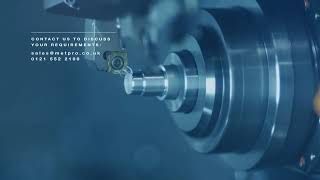
Turning & Milling: A Manufacturing Process
We can offer a full and diverse range of turning & milling operations.
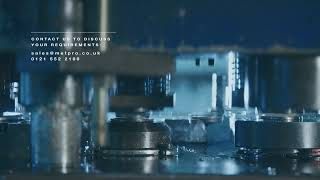
Pressing & Stamping: A Manufacturing Process
We can offer a full diverse range of Pressing processes to suit your needs.